My research is deeply grounded in ethnographic practice and long-term relationships with place. While my work emerges from specific local contexts, the stakes of these arguments extend far beyond them. Broadly, my research examines the inseparability of bodies, politics, and ecologies in African healing practices, tracing how struggles over health are simultaneously struggles over bodily threats, land relations, and the possibilities of care.
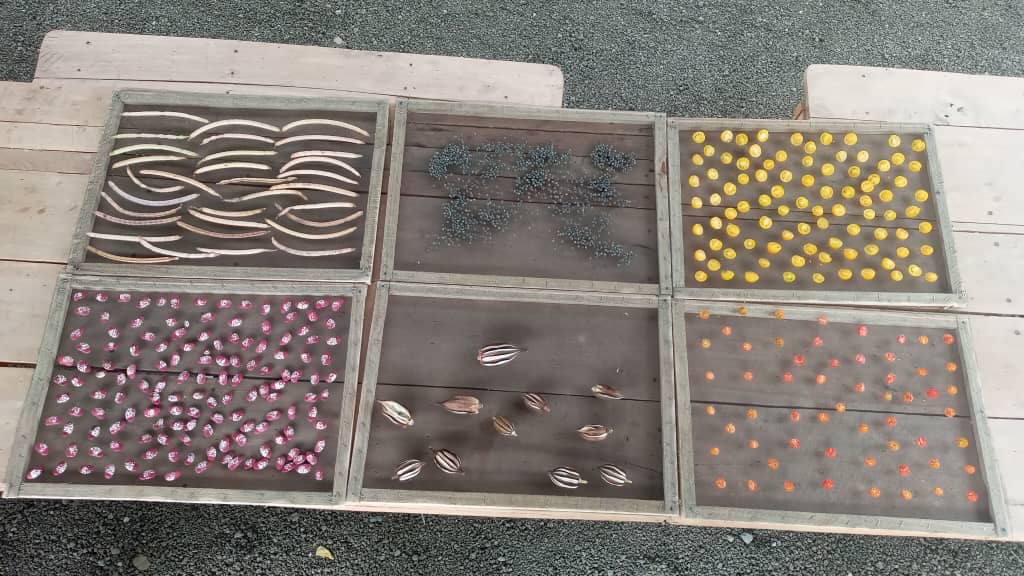
2024-present. Tiba Lishe: Eating Well in Postcolonial Tanzania.
What does it mean to “eat well” in a time of rising rates of chronic disease, climate change, expanding social inequality, and intensification of property regimes that support the enclosure of land and plant life? This engaged research explores this question in postcolonial Tanzania through a partnership with TRMEGA (Training, Research, Monitoring and Evaluation on Gender and AIDS). Global health initiatives have increasingly taken up eating habits as a site of intervention. Premised on assumptions that people do not know how to eat well, these efforts too often blame those who bear the greatest impact of social and ecological abandonment. In contrast, TRMEGA reimagines eating well as a response to histories of dispossession and a remedy for the persistent depletion and chronic injury of life in the margins of racial capitalism. For this Tanzanian NGO, eating well is about dwelling in ways that nourish bodies and communities, that strengthen ecologies and economies, and that foster patterns of regeneration. By extending seeds and cuttings from organic gardens of nutrient-dense plants through community groups, their social-ecological projects build on a primary principle of African therapeutics: health and healing emerge in relation to good land relations. The proposed research designs a series of workshops and materials that systemize these practices and evaluates their efficacy. The project was conceived in collaboration with colleages at Kilimanjaro Christian Medical Center, and our goal is to bring the program to KCMC in Moshi Tanzania through the Uzima Garden (see below).
July 2023-present. Plant Stories: Social-Ecological Basis of Health.
This research approaches indigenous notions of health and healing in Tanzania through the kihamba, a mode of planting and dwelling distinctive to Mt Kilimanjaro and Mt Meru. I am collecting histories of kihamba over generations through the storying of plants there. In 2023 I focused on the isale plant, that holds the center of kihamba liveliness, links the living with ancestors buried in the kihamba, and marks the border relations of the kihamba. I also started recording plants that were introduced or attended to more intentionally in kihamba during COVID. This is beginning to open up a different picture the impact of the global pandemic in Tanzania than is available through politically contentious and opaque reporting.
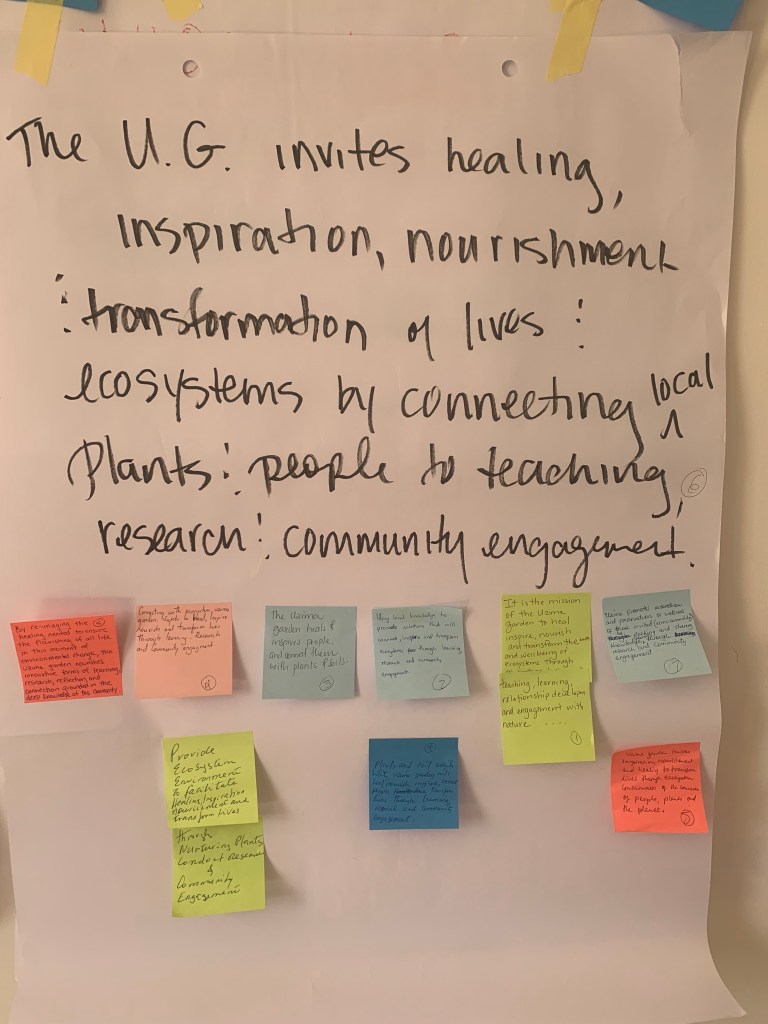
2019-present. The Uzima Project: Reimagining Medicine Against Climate Change: Designs for Land-Based Learning, Research and Healing
A collaborative project between American and African scholars, medical professionals and artists in Kilimanjaro, Tanzania. This research, design initiative invites a collective re-imagining of what constitutes healing amid the 21st century’s health and environmental crises. Globally, medical schools respond to climate change through curricula to train “climate aware” physicians, research to tracks alterations in the distribution and longevity of disease, and plans for responding to emergencies caused by climate events. These initiatives—while important steps—stop short of fully reckoning with medicines entanglements with histories of colonial dispossession and the logics of ongoing extractions that drive climate change. Inspired by Leanne Simpson’s insistence that decolonization requires approaching “land as pedagogy,” this collaborative international project strives to conceives a (anticolonial) teaching, research, and healing garden to join the clinic, classroom, and laboratory as a central site of medical training. Currently, three trajectories of research projects animate this project
• Design research, site as relations 2023-2025
• Anticolonial/Decolonial plant collections 2023-present
• Incorporating Tiba Lishe (coming soon)
2012-2017. Science, Capital and African Healing.
Examination of the complex intersection of traditional medicine, clinical practice, scientific research and intellectual property law in Africa. Extended fieldwork on the emerging herbals industry in Tanzania, which involved participant-observation in a range of herbals clinics and production facilities as well as interviews and work with governmental and non-governmental organization fostering the development of herbals such as the Tanzanian National Institute of Medical Research. Investigation into both national and international networks catalyzing the development of regulations and policies shaping the commercialization of herbals.
 Stacey Langwick