Medicines That Feed Us
on Plants, Healing, and Sovereignty in a Toxic World
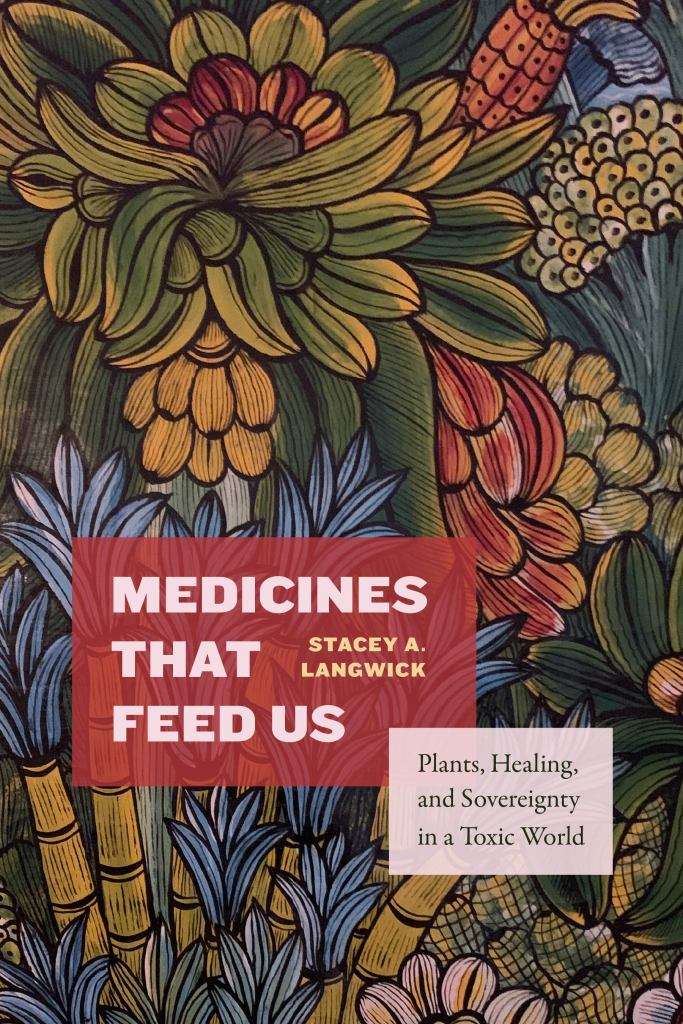
We live in a time when the boundaries between health and environment are becoming harder to sustain. Chronic disease, environmental degradation, climate change, and growing inequality all remind us that the well-being of bodies cannot be separated from the well-being of the worlds they inhabit. Medicines That Feed Us grew out of a simple but urgent question: What does it mean to heal in a toxic world?
Tunaishi katika kipindi ambacho mipaka kati ya afya na mazingira inazidi kuwa vigumu kuidumisha. Magonjwa sugu, uharibifu wa mazingira, mabadiliko ya tabianchi, na kuongezeka kwa ukosefu wa usawa—yote haya yanatukumbusha kuwa ustawi wa miili yetu hauwezi kutenganishwa na ustawi wa mazingira tunamoishi. Kitabu Medicines That Feed Us kilizaliwa kutokana na swali rahisi lakini la dharura: Je, inamaanisha nini kupona katika ulimwengu uliojaa sumu?
This book follows people who are experimenting with ways to address illness, environmental damage, and social loss through gardens, therapeutic plants, seed-sharing networks, food sovereignty projects, and other forms of collective work. Their efforts challenge the assumption that medicine belongs in clinics alone or that environmental problems can be solved separately from questions of health and justice. Instead, they ask how healing might begin by repairing the social and ecological relations that make life possible.
At its heart, Medicines That Feed Us is a book about imagination and continuance. It looks to African experiments in healing not as alternatives waiting on the margins, but as powerful ways of rethinking the challenges that define the twenty-first century. In place of the familiar choice between technological salvation and ecological despair, these projects offer something more grounded: the possibility cultivating more just future through the everyday work of tending to soil, sharing seeds, feeding one another, and nurturing the relationships that sustain collective life.
Lecture
2026 Annual Invitational Lecture at the Cornell Society for the Humanities
“Healing in a Toxic World: Reimagining the Times and Spaces of the Therapeutic”
November 11, 2026
This talk draws from Chapter 5 of Medicines that Feed Us, in which a charismatic banana, kitarasa, reveals the tensions between the economic and the ecological as it is caught up in efforts to heal land and bodies. Not only are bananas a staple crop, but they labor with people to create livable, lively spaces. I tell the story of Dorkia Enterprises, a small business, working to commercialize kitarasa flour as a “therapeutic” food. Their efforts are animated by connections to international food sovereignty projects striving to reimagine the scalar projects of economy and disrupt the forms of property on which it depends. I move between (1) Dorkia Enterprises’ work to elaborate kitarasa through partial engagements with the state and the market and (2) an effort to think with kitarasa and the liveliness in its insistent excesses of these logics. As it folds the scales of bodies and lands into one another, kitarasa incites the theorizing of relations among toxicity, healing, and memory.
recent and upcoming Events
- March 11, 2026 Society of the Humanities Faculty Book Party — Ithaca @ Cornell University
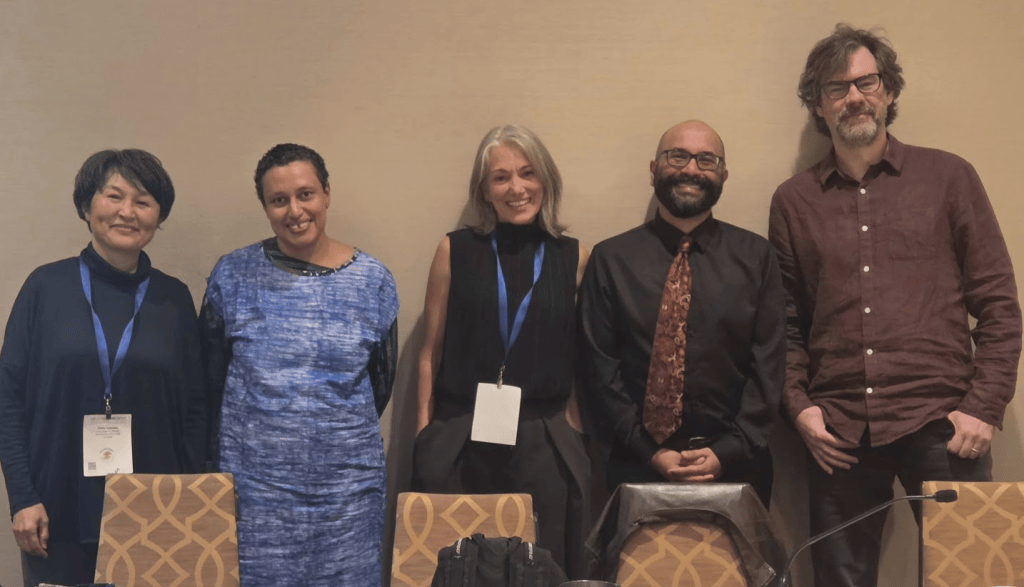
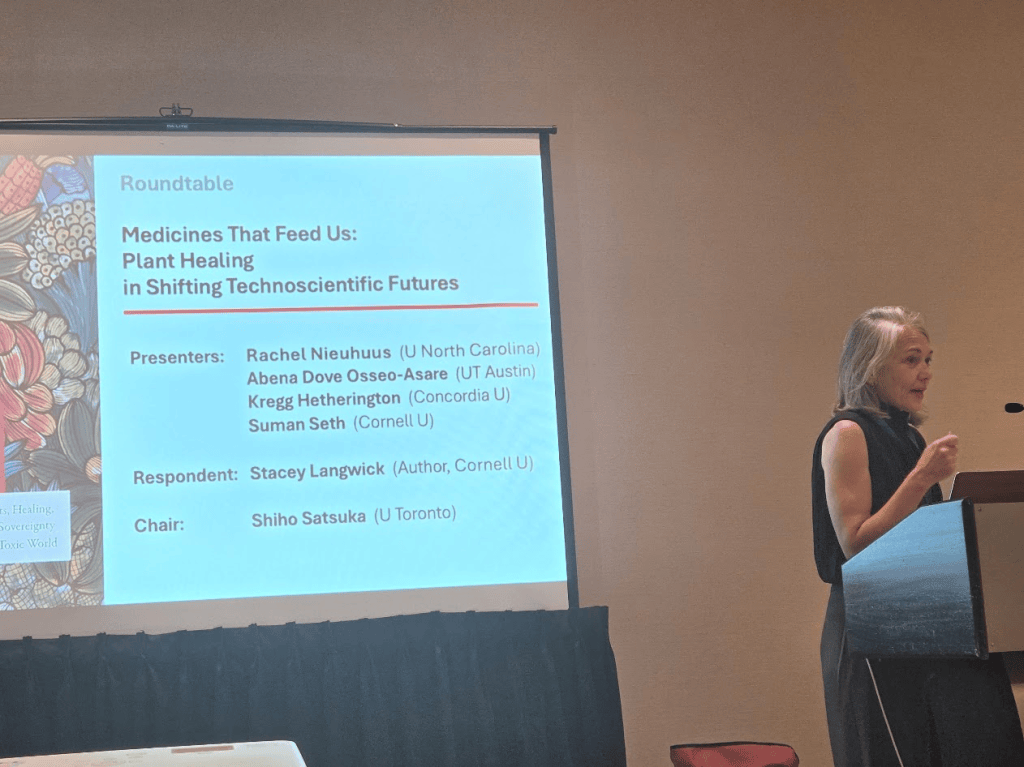
- October 10, 2026 4S author-meets-critics roundtable — Toronto @ Society for the Social Studies of Science Annual Meeting
- October 18, 2026 Marshy Garden Reading and Discussion co-sponsored by Buffalo Street Books and the Soil Factory event with plant-based candy tasting by Orchid Bee — Ithaca @ Soil Factory 3pm-5pm
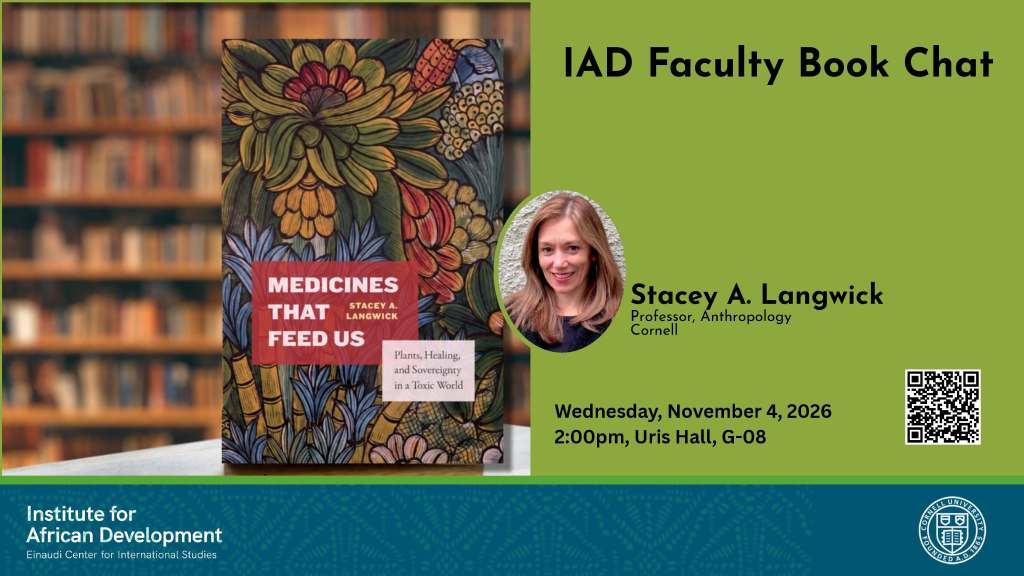
- November 4, 2026 Mario Einaudi Center for International Studies Faculty Book Discussion — Ithaca @ Cornell University
- November 2027 AAA author-meets-critics panel — St. Louis @ American Anthropological Association Annual Meeting